
General Surgery is a specialised area of medicine that focuses on surgical treatments for organs and tissues in the abdomen, digestive tract, breast, skin, and endocrine system. General surgery is performed by a general surgeon. Despite the name, general surgeons are highly trained specialists who manage both scheduled and emergency operations. General surgeons may also perform minor procedures or more complex operations, depending on the patient's condition.

With advances in medical technology, laparoscopic surgery has also become an option for many conditions. If your primary doctor has advised you to consult a surgeon for General or laparoscopic surgery in Siliguri, you may visit NBNC. Our clinic has expert general and laparoscopic surgeons who provide accurate diagnosis and treatment. Laparoscopic surgery is a minimally invasive surgical technique that allows surgeons to perform operations through small incisions instead of making one large cut.
Your Preferred Hospital in Siliguri
30+
Specialities50+
Diagnostics70+
ProfessionalsMeet Our General & Laparoscopic Surgery Expert in Siliguri
A general and laparoscopic surgeon treats a wide range of conditions, including hernias, appendicitis, gallstones, abdominal lumps, cysts, and some soft tissue problems. They check the patient's symptoms, identify the underlying causes, and decide whether medication, observation, a minor procedure, or major surgery is required. Learn more about our surgeons, their medical backgrounds, and their expertise in general and laparoscopic surgery.
Dr. Adarsh Bhardwaj
He holds an MBBS, MS in General Surgery, and DNB in General Surgery. He has over 5 years of experience in gallbladder removal and appendectomy, hernia repair, colon and rectal surgery, and more.
Advanced Laparoscopy & General Surgery
know more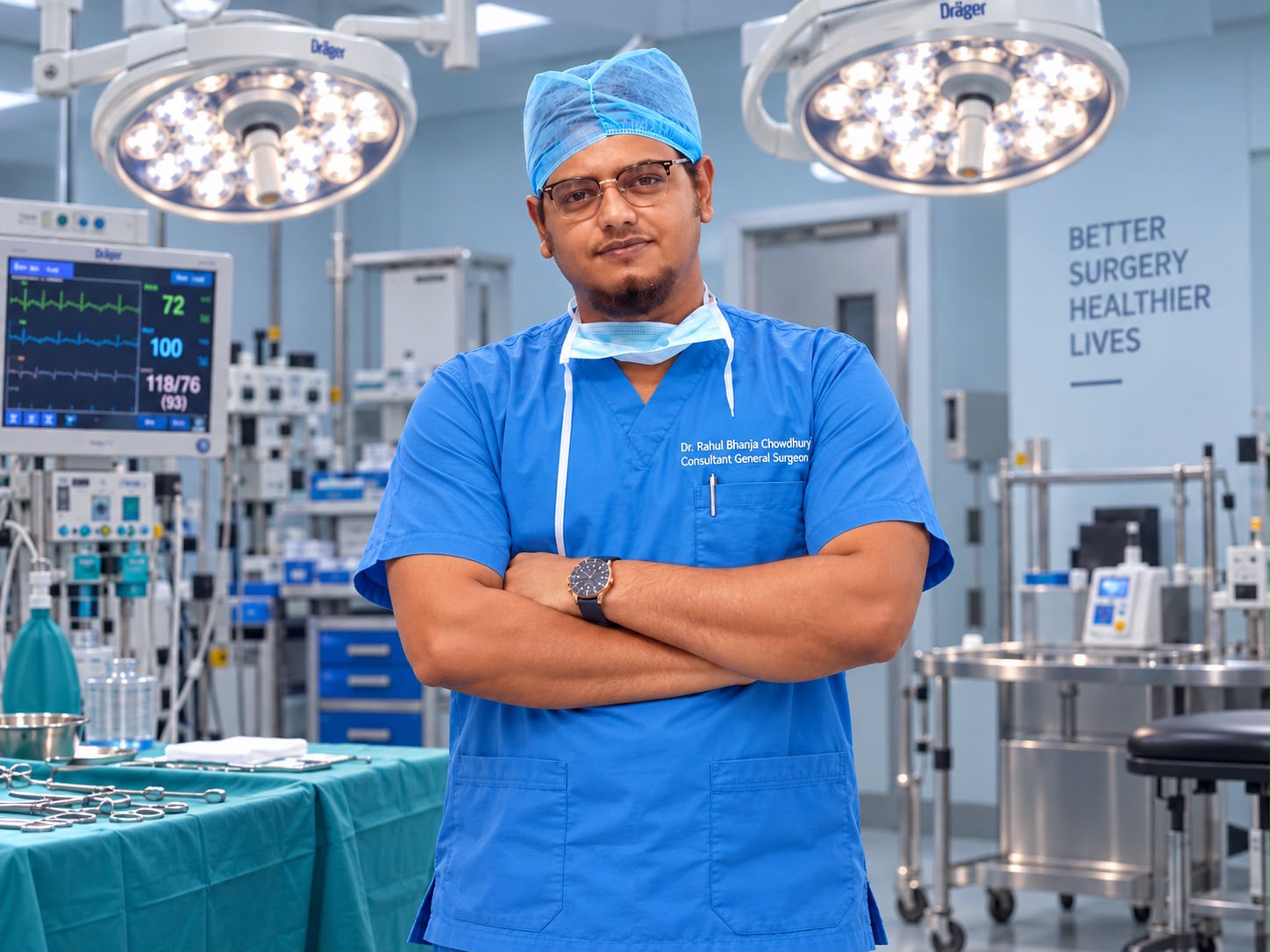
Dr. Rahul Bhanja Chowdhury
He holds an MBBS and MRCS. He has extensive experience in liver and pancreas surgery, cancer surgery, stomach/oesophagus surgery, colon and rectal surgery, and more.
Advanced Laparoscopy & General Surgery
know moreWhen Should You Consult a Doctor for General and Laparoscopic Surgery in Siliguri?
You need to consult a general surgeon or a laparoscopic surgeon in Siliguri when you have a medical condition that requires an expert check-up, or you may benefit from general or laparoscopic surgery. Sometimes, your primary doctor may also refer you to a laparoscopic surgeon. Some common reasons to see a general surgeon include -
Reasons to Consult for General Surgery
- Abdominal pain: if you have abdominal pain that occurs frequently, you may need to consult a general surgeon.
- Lumps and cysts: unusual growths under the skin need to be examined by a general surgeon to determine their nature and causes.
- Abscesses: a collection of pus requires drainage and/or additional treatment.
- Hernia: a swelling in the abdomen or groin, especially one that becomes painful during physical activity, may require general surgery.
- Digestive Problems: some gastrointestinal conditions may require surgery, especially when other treatments have failed to achieve the desired results.
Reasons to Consult for Laparoscopic Surgery
- Gallstones: they cause pain in the upper abdomen, especially after meals.
- Appendicitis: inflammation of the appendix requires urgent surgery.
- Hernia: a swelling in the abdomen or groin, especially one that becomes painful during physical activity, may require general surgery.
- Selected Abdominal Conditions: Certain gastrointestinal and other abdominal conditions may be treated laparoscopically, depending on the diagnosis and the patient's suitability for the procedure.
General and Laparoscopic Surgery Services in Siliguri at NBNC
General surgery covers several procedures used to treat conditions that affect the abdomen, digestive system, skin, and soft tissues. The operation that is prescribed usually depends on diagnosis, severity of the condition, and the patient's overall health. Given below are the various types of surgery performed at our General Surgery Clinic in Siliguri -
Hernia Repair
it involves returning the protruding tissue to its original position and strengthening the weakened area.
Appendectomy
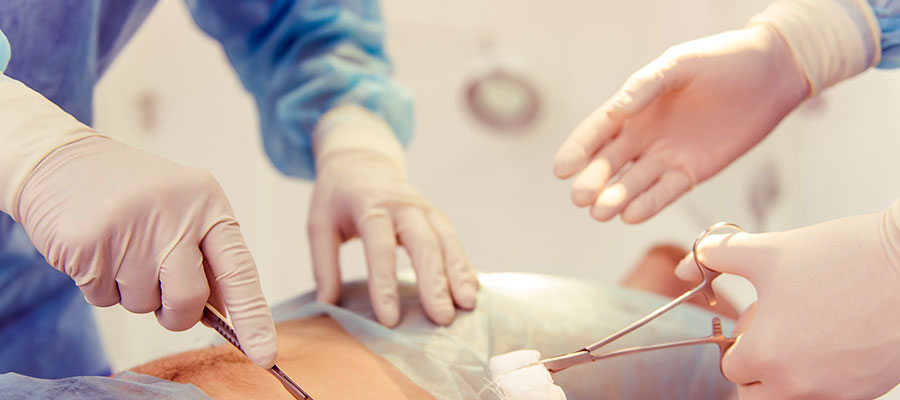
it is the surgical removal of the appendix. The surgeon may perform the operation using an open or laparoscopic procedure depending on the condition of the appendix.
Gallbladder Surgery
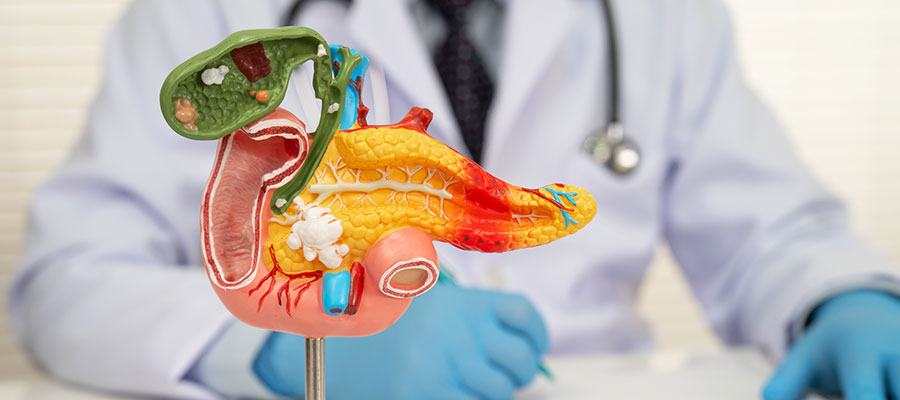
to remove the stones in the gallbladder, laparoscopic surgery is commonly used.
Removal of cysts and soft tissue lumps
certain skin cysts, lipomas, and other soft tissue lumps may require surgical removal if they start causing discomfort, become infected, keep growing, etc.
Abscess drainage
the collection of pus in the skin or in deeper tissues may cause swelling, redness, pain, or fever. The treatment may involve draining it or using medicines, whichever the doctor thinks fit.
Preoperative Tests for General and Laparoscopic Surgery in Siliguri
Precise diagnosis is essential for choosing the right treatment. Before recommending surgery, a general surgeon reviews the patient's symptoms, medical history, previous operations, current medicines, allergies, or other health conditions. Depending on the anticipated condition, the following tests may be recommended by an experienced laparoscopic surgeon in Siliguri -
For General Surgery

Blood Tests
- Complete Blood Count: checks haemoglobin, red blood cells, white blood cells, and platelets.
- Blood Glucose Test: measures blood glucose levels, particularly in patients suffering from diabetes.
- Serum Electrolytes: measures minerals such as sodium and potassium, which help maintain fluid balance and normal muscle and nerve function.

Imaging Examinations
- Ultrasound: it is used to examine gallstones, gallbladder problems, abdominal pain, hernias, etc.
- CT scan: it may help in investigating appendicitis, unexplained abdominal pain, bowel obstruction, or complicated hernias.
- MRI: it is performed for selected pelvic conditions, complex hernias, or problems involving the liver and bile ducts.

Cardiac Examinations
- Electrocardiogram (ECG): for patients with known cardiovascular disease or similar symptoms.
- Echocardiogram (2D Echo): when the patient has suspected heart failure, valve disease, or unexplained breathlessness.
For Laparoscopic Surgery
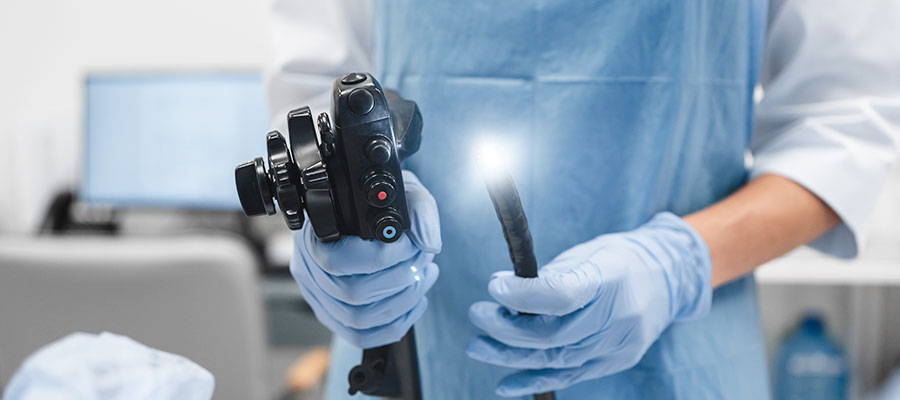
Endoscopy
- Upper GI endoscopy: it is recommended for persistent acidity, ulcers, difficulty swallowing, or unexplained upper abdominal pain.
- Colonoscopy: it is prescribed for rectal bleeding, continuous changes in bowel habits, suspected inflammatory bowel disease, or certain colorectal abnormalities.
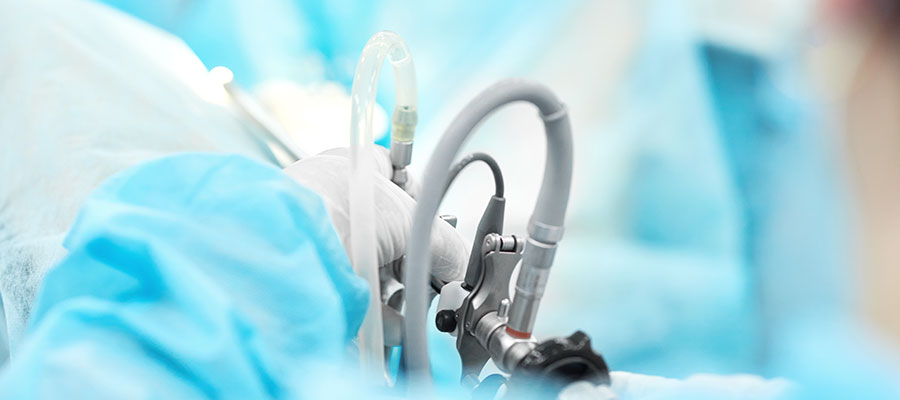
Biopsy
- Laparoscopic biopsy: it may be recommended for abdominal abnormalities, suspected cancers, or certain liver or peritoneal conditions.
- Peritoneal biopsy: to investigate unexplained abdominal fluid, thickening of the abdominal lining, suspected tuberculosis, or possible cancer.
Preparing for General and Laparoscopic Surgery in Siliguri: Essential Guidelines for Patients
Before your General or laparoscopic surgery in Siliguri, preparation involves discussing the procedure with the surgeon, sharing your medical history and medicines that you may be taking. Furthermore, it may involve completing the prescribed tests, following the fasting instructions provided by the healthcare team, and planning for recovery at home. These steps have been described below in detail -

Discussing the procedure
you may ask your surgeon why the surgery is recommended, what its benefits are, what risks are involved, and whether other treatments are available.

Sharing your medical history
it is advisable to inform the surgeon about previous operations, allergies, ongoing medical conditions, and the medicines that you are taking.

Complete the tests
you have to undergo the diagnostic tests recommended by the doctor and have them reviewed.

Follow the instructions
if anaesthesia is to be administered, you may be asked to avoid food and certain drinks for a specific period.

Prepare for recovery at home
arrange a comfortable resting space and keep any prescribed medicines, dressings and essential supplies near you. You must adhere to your surgeon's instructions about food, activity, wound care and returning to work.
What happens before, during and after General and Laparoscopic surgery in Siliguri?
General and laparoscopic surgery may involve several stages, from preoperative assessment and surgical preparation to the procedure and postoperative recovery. Understanding what happens before, during, and after surgery helps patients prepare for treatment, follow medical advice, and make informed decisions about their care. Read on to find out in detail what happens before, during, and after general and laparoscopic surgery -
Before the operation
- The surgical team reviews the patient's medical history, allergies, and test results.
- The anaesthesia team determines the appropriate method based on the procedure and the patient's health.
- The surgeon explains the procedure, expected benefits, potential risks, and necessary precautions.
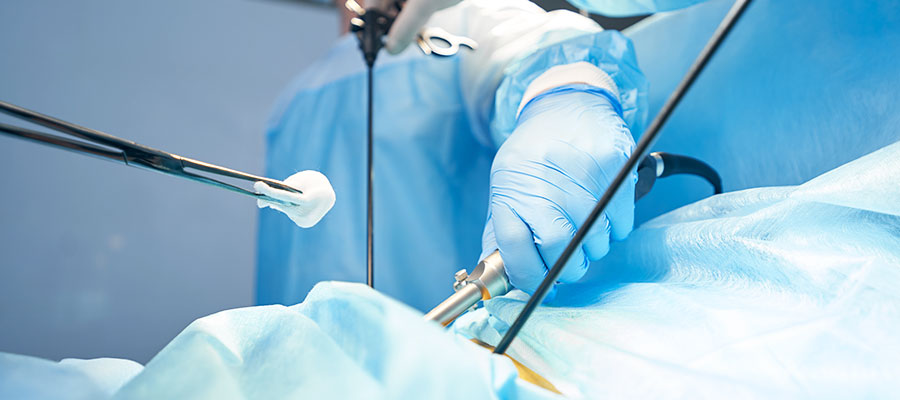
During laparoscopic surgery
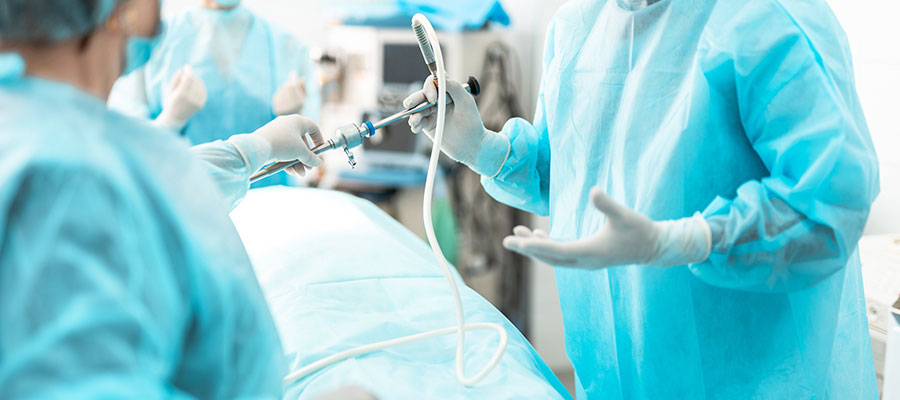
- The surgeon inserts a camera and specialised instruments through small incisions.
- Gas may be introduced into the abdomen to create space, allowing the surgeon to operate while viewing images on a monitor.
- Laparoscopic surgery usually involves smaller wounds, less discomfort, and a shorter hospital stay than some open procedures.
After the surgery
- The healthcare team monitors vital signs, pain, nausea, and surgical wounds as the patient recovers from anaesthesia.
- Patients receive instructions about medicines, wound care, physical activity, diet, and follow-up appointments.
- The patient is advised to follow medical advice during recovery. They are also recommended to seek prompt medical attention for fever, worsening pain, persistent vomiting, or unusual wound discharge.
Cost of general surgery in Siliguri
The cost of general surgery in Siliguri may range from ₹5000-₹80,000 or more. The cost depends on the type of procedure, the complexity of the condition, the hospital that has been selected, the fees of the surgeon, and the duration for which the patient stays in the hospital. Laparoscopic surgery may have different costs than open surgery because of specialised instruments and equipment. Given below is a table showing Laparoscopic and general surgery costs in Siliguri -
| Type of Surgery | Estimated cost in Siliguri |
|---|---|
| Minor lump or cyst removal | ₹5000-₹20,000 |
| Abscess drainage | ₹5000-₹20,000 |
| Open hernia repair | ₹25,000-₹50,000 |
| Laparoscopic hernia repair | ₹35,000-₹70,000 |
| Appendectomy | ₹30,000-₹60,000 |
| Laparoscopic appendectomy | ₹40,000-₹70,000 |
| Open gallbladder removal | ₹30,000-₹55,000 |
| Laparoscopic gallbladder removal | ₹40,000-₹80,000 |
Note: These are broad indicative estimates, not verified current quotations from Siliguri hospitals. Costs can vary considerably depending on the hospital, room category, surgical complexity, investigations, anaesthesia, medicines, and post-operative care.
Why choose NBNC for General and Laparoscopic surgery in Siliguri?
Choosing the right surgical team is crucial for receiving the appropriate treatment and care. NBNC aims to support patients through consultation, diagnosis, surgical planning, and postoperative recovery. Here is a list of reasons why NBNC is the first choice for patients for a general surgery clinic in Siliguri -

Wide range of medical services
NBNC offers a wide range of general and laparoscopic surgery services to address various surgical conditions such as hernias, appendicitis, gallstones, and soft tissue problems.

World-class doctors
NBNC has a team of expert doctors who provide excellent evaluation, accurate diagnosis, and personalized treatment to patients for various surgical conditions.

Transparent cost information
clear information about surgeon fees, diagnostic tests, anaesthesia, medicines, and hospital stays helps patients plan their treatment budget and make informed decisions with greater confidence.

Diagnostic support
NBNC provides diagnostic support through relevant medical checkups, including ultrasound, CT scan, blood tests, etc. These help the doctors in accurate diagnosis and planning of the treatment.
Frequently Asked Questions
What conditions does a general surgeon treat?
A general surgeon diagnoses and treats a wide range of conditions that may require surgery. These include hernias, appendicitis, gallstones, abdominal conditions, abscesses, cysts, and certain lumps affecting the skin and soft tissues. General surgeons may also evaluate some gastrointestinal and anorectal conditions that require specialised treatment.
What is the difference between general surgery and laparoscopic surgery?
General surgery is an area of medicine that diagnoses and treats conditions affecting the abdomen, digestive system, skin and soft tissues. It includes medical treatments such as hernia repair, appendectomy, gallbladder removal, and some cysts and abscesses. Laparoscopic surgery, on the other hand, is a minimally invasive method used to perform specific operations through small incisions. This is usually done with the help of a camera and specialised instruments.
What is laparoscopic surgery, and is it safe?
Laparoscopic surgery is a minimally invasive surgical method that uses small incisions, a tiny camera, and specialised instruments to perform an operation. It is used for conditions such as gallbladder removal, appendectomy, and hernia repair.
Laparoscopic surgery is generally considered safe when performed by a qualified surgeon. In comparison to some open procedures, it involves smaller wounds, less post-operative discomfort, a shorter hospital stay, and faster recovery. However, like any operation, it includes risks such as bleeding, infection, and complications related to anaesthesia.
Can a hernia be treated with laparoscopic surgery?
Yes, many types of hernias can be treated with laparoscopic surgery. This minimally invasive technique involves making small incisions through which a camera and specialised instruments are inserted to repair the weakened area of the abdominal wall. Laparoscopic hernia repair may offer smaller incisions, less post-operative discomfort, and a quicker return to daily activities compared to some open procedures.
How long does it take to recover from laparoscopic surgery?
Recovery from laparoscopic surgery depends on the type of procedure, the patient's overall health, and whether any complications occur. Many patients can return on the same day or within 24 hours, although some operations may require a longer hospital stay.
How can I book an appointment with a general surgeon at NBNC in Siliguri?
To book an appointment with a general surgeon at NBNC, Siliguri, you can contact the hospital or clinic directly. You can also book a consultation online through their website. When going for the consultation, you may carry previous medical reports, diagnostic test results, and details of the current medicines that you might be taking.
What tests are required before general or laparoscopic surgery?
A general or laparoscopic surgeon may recommend blood tests to assess haemoglobin levels, blood sugar, kidney function, and signs of infection. Other diagnostic tests such as urine tests, an ECG, ultrasound, or CT scans may also be recommended depending on the condition being treated and the planned operation.
Is laparoscopic surgery safer than open surgery?
Laparoscopic surgery has various advantages over open surgery, such as smaller incisions, less post-operative discomfort, a lower risk of wound complications, and a shorter recovery period. However, both approaches have potential risks, including bleeding, infection, and complications related to anaesthesia. The safer option depends on the type and complexity of the operation, the patient's medical history, and the surgeon's assessment.
Can a general surgeon in Siliguri perform a C-section?
A general surgeon is not usually the specialist who performs a C-section. It is performed by a qualified obstetrician or gynaecologist who specialises in pregnancy, childbirth, and related surgical procedures.
How are ongoing medications and medical history managed during general surgery?
Before a general surgery, the surgeon and anaesthesia team review the patient's medical history, existing health conditions, allergies, previous surgeries, and current medicines being taken by the patient. This helps identify potential risks and determine whether additional tests or precautions are necessary before the surgery.


